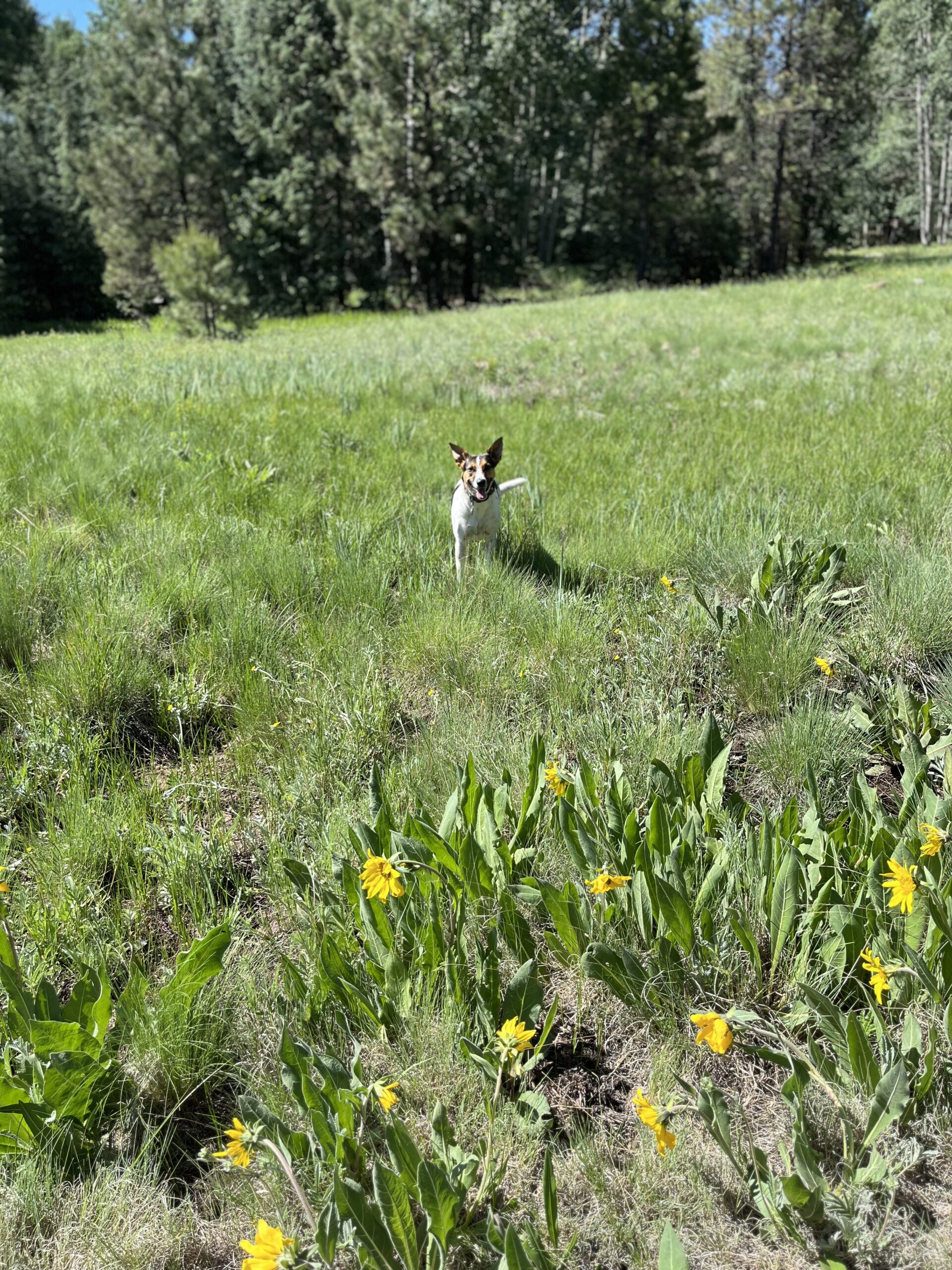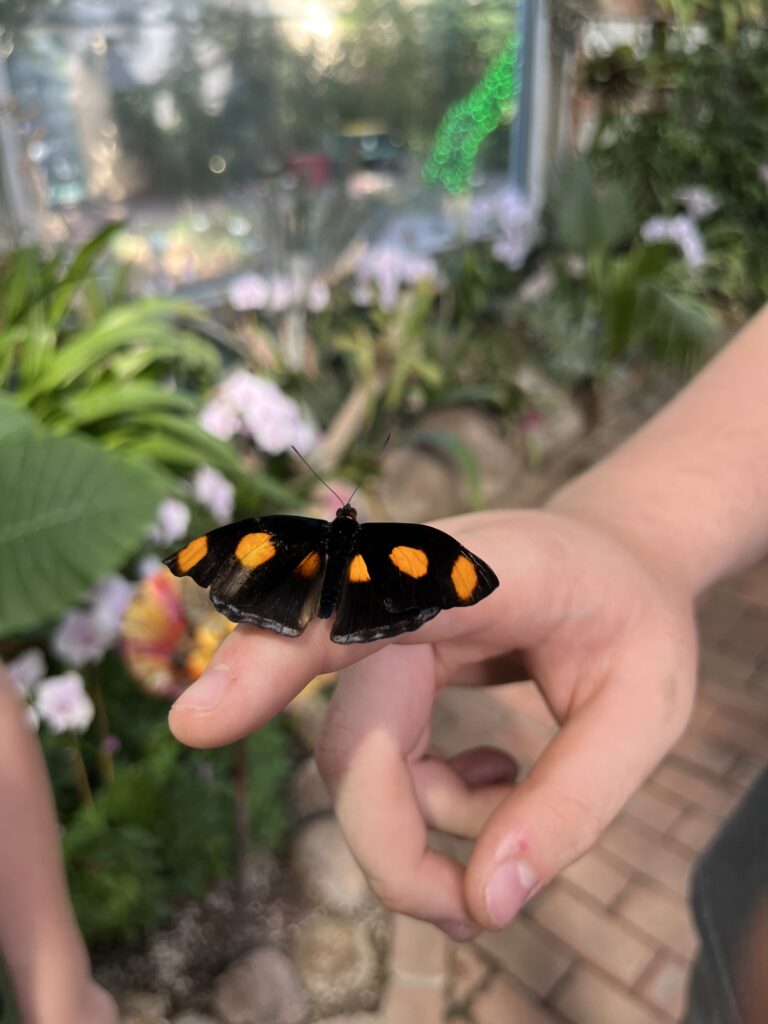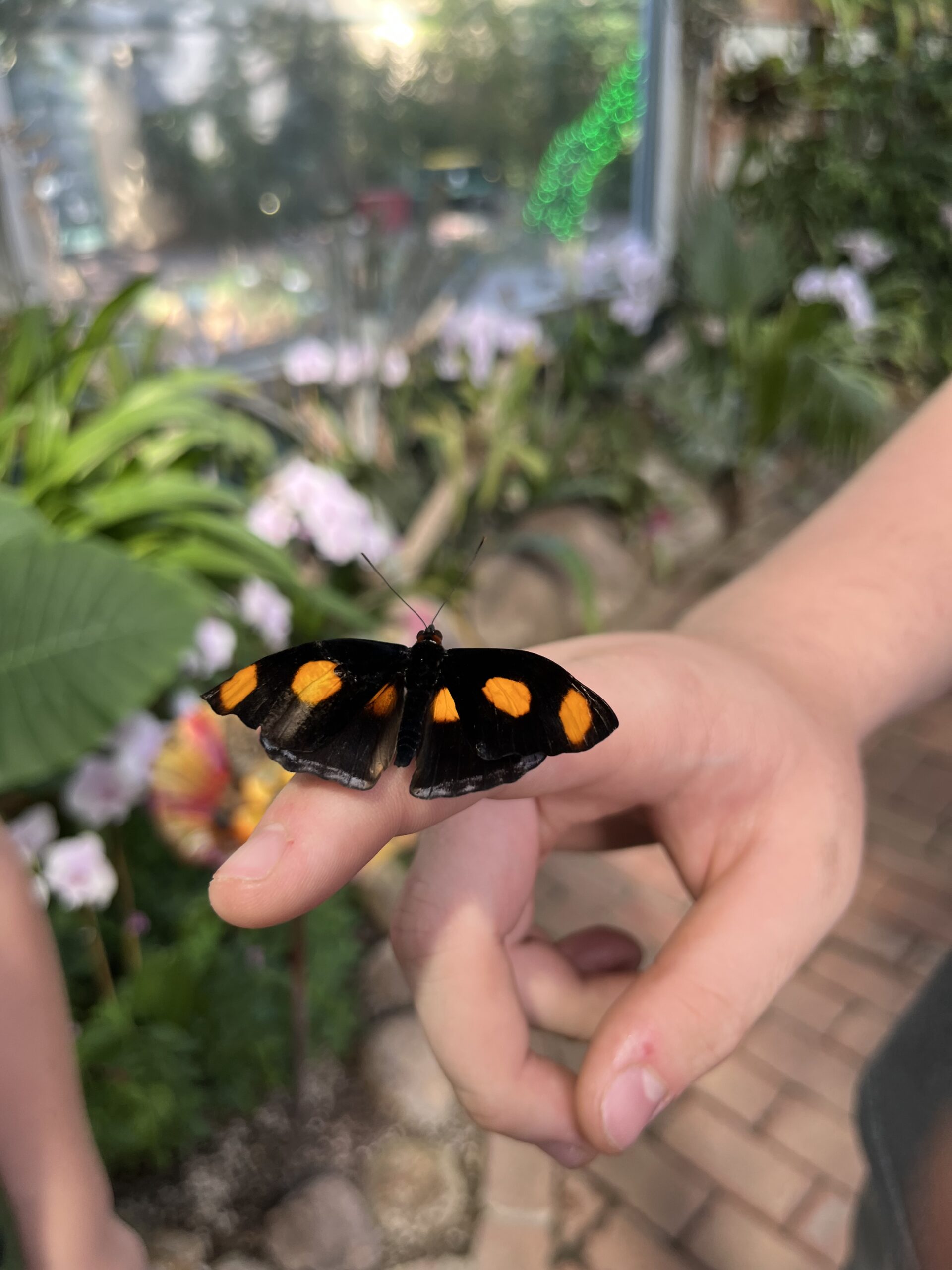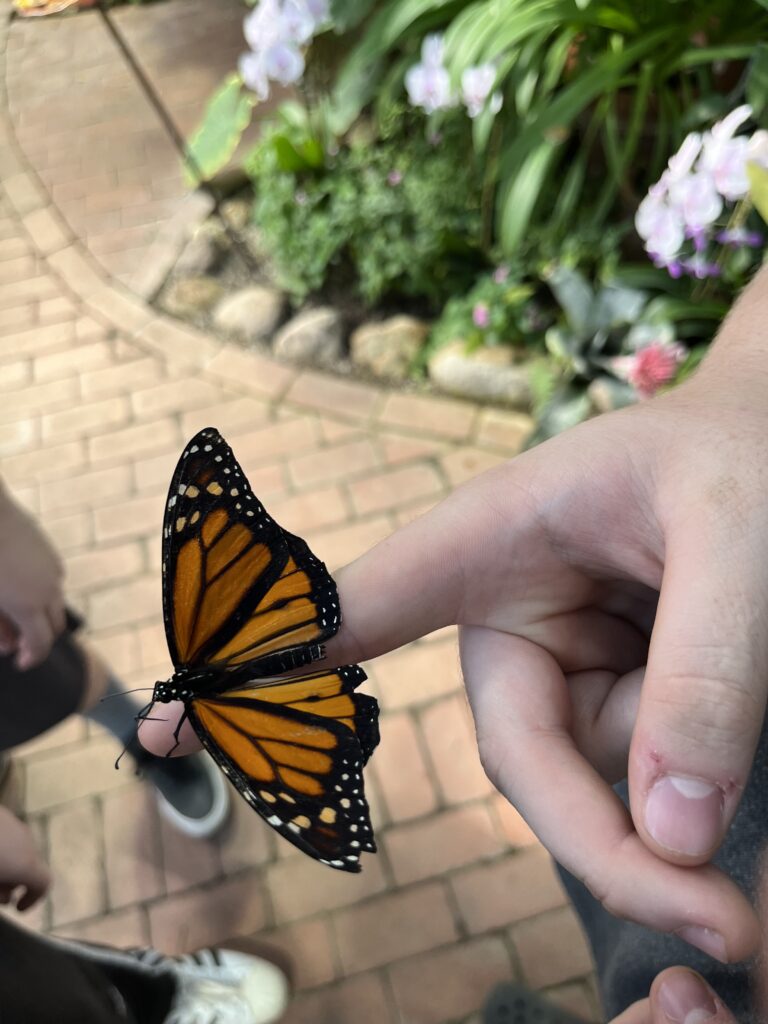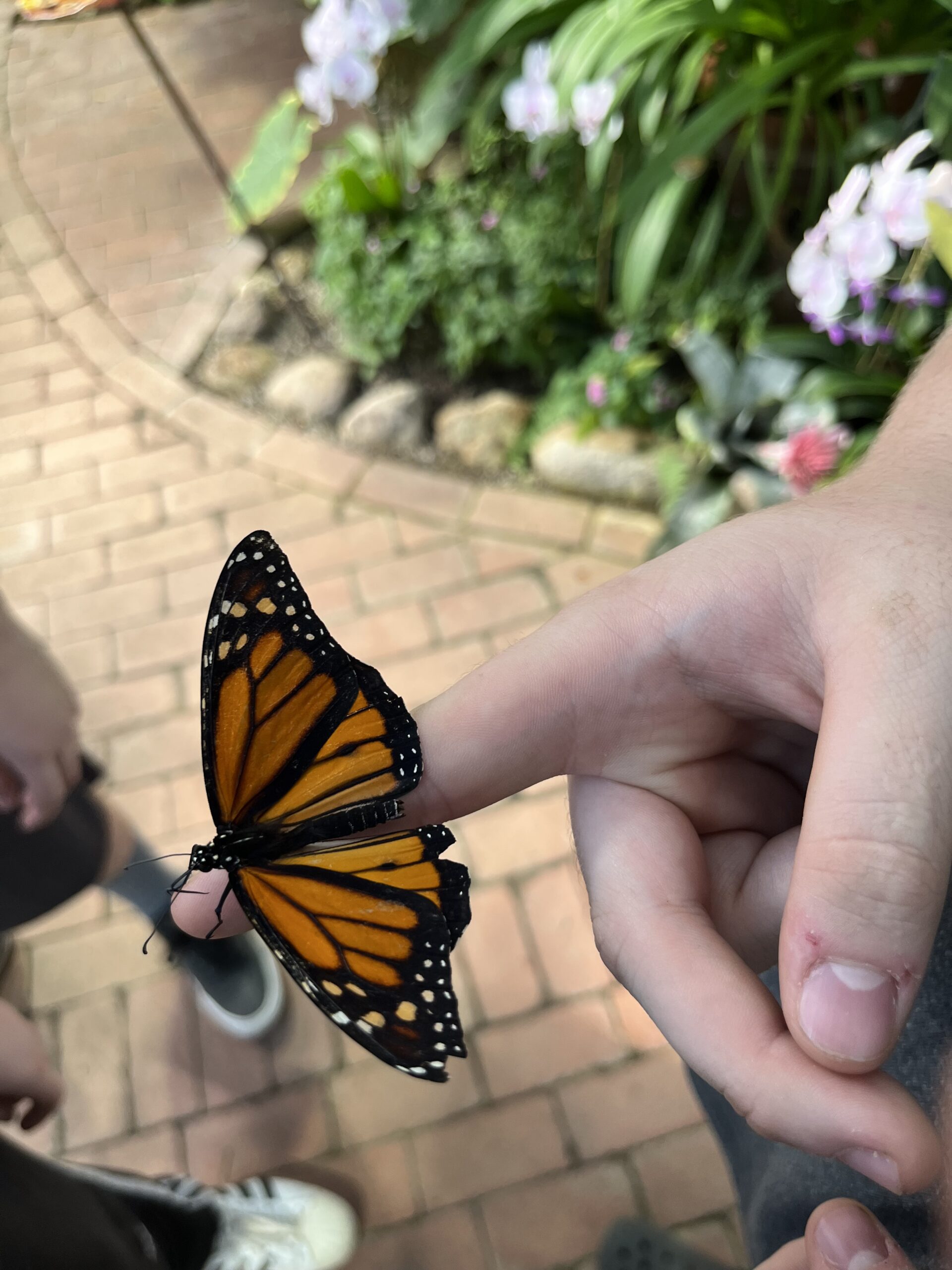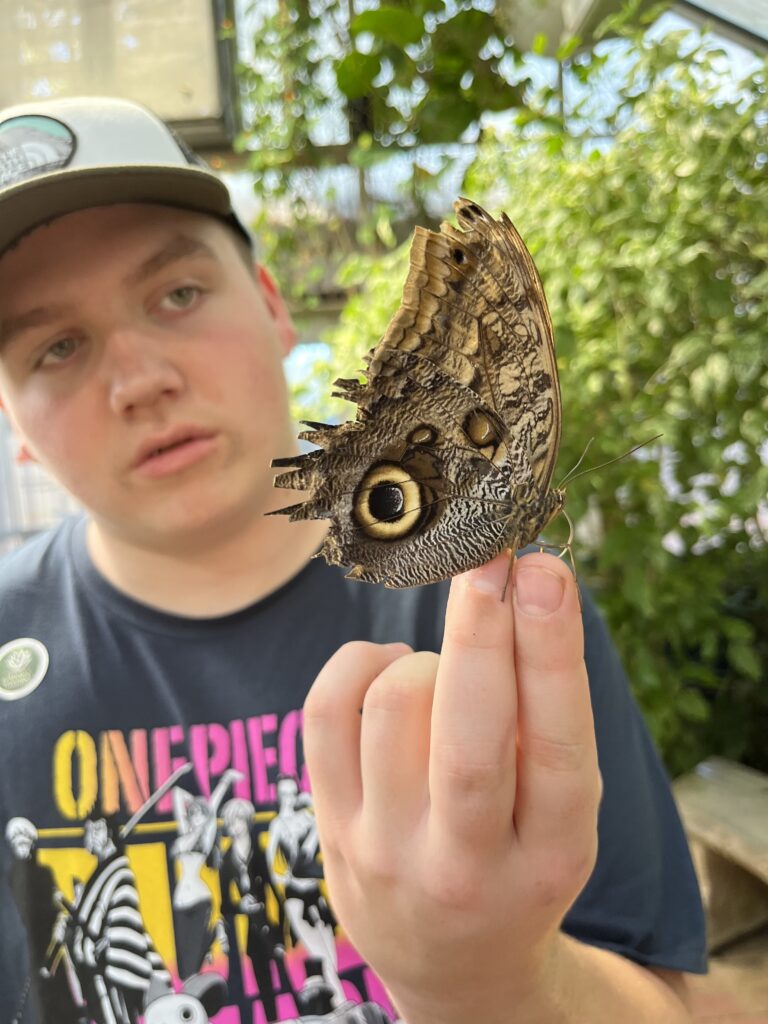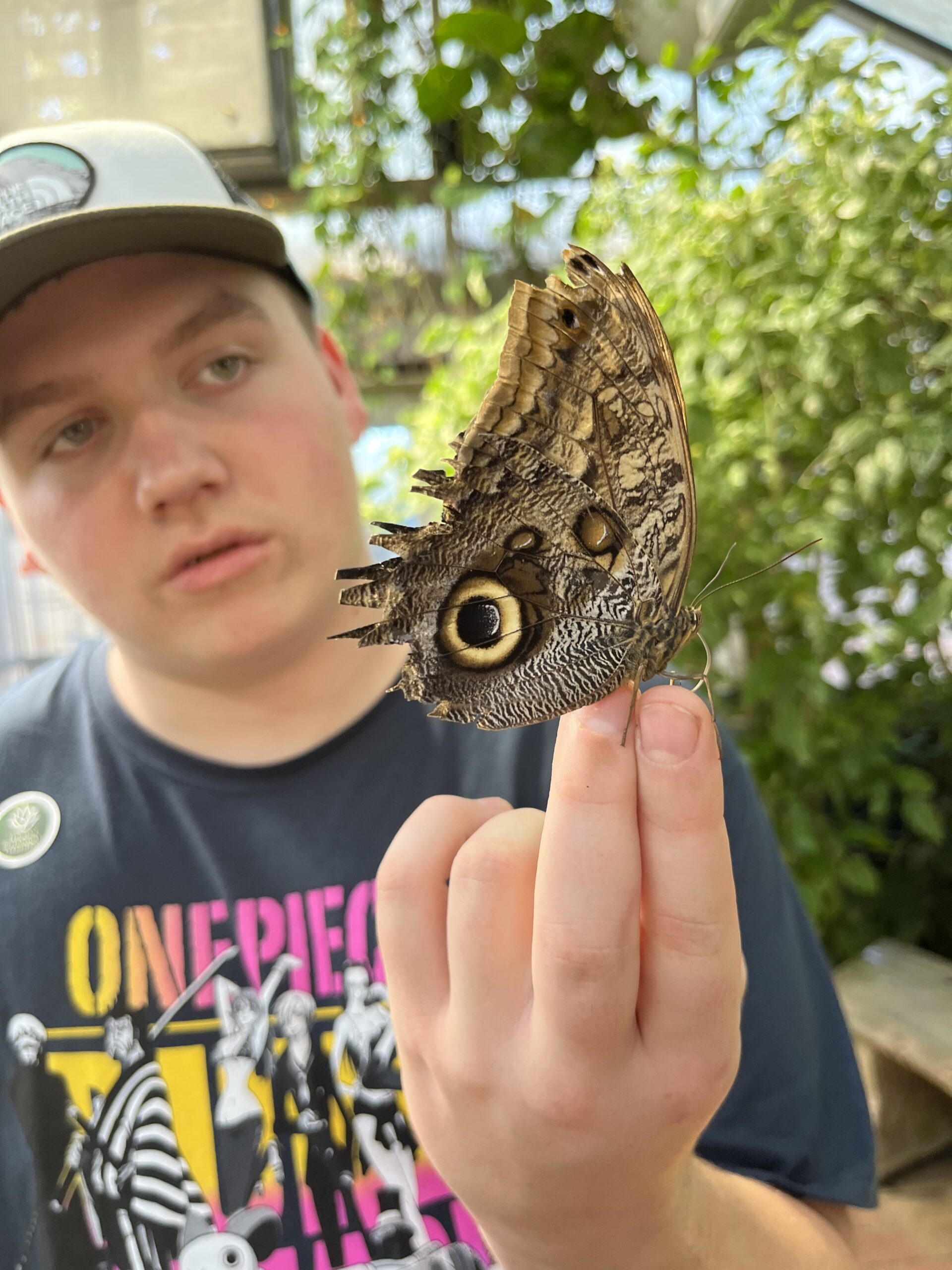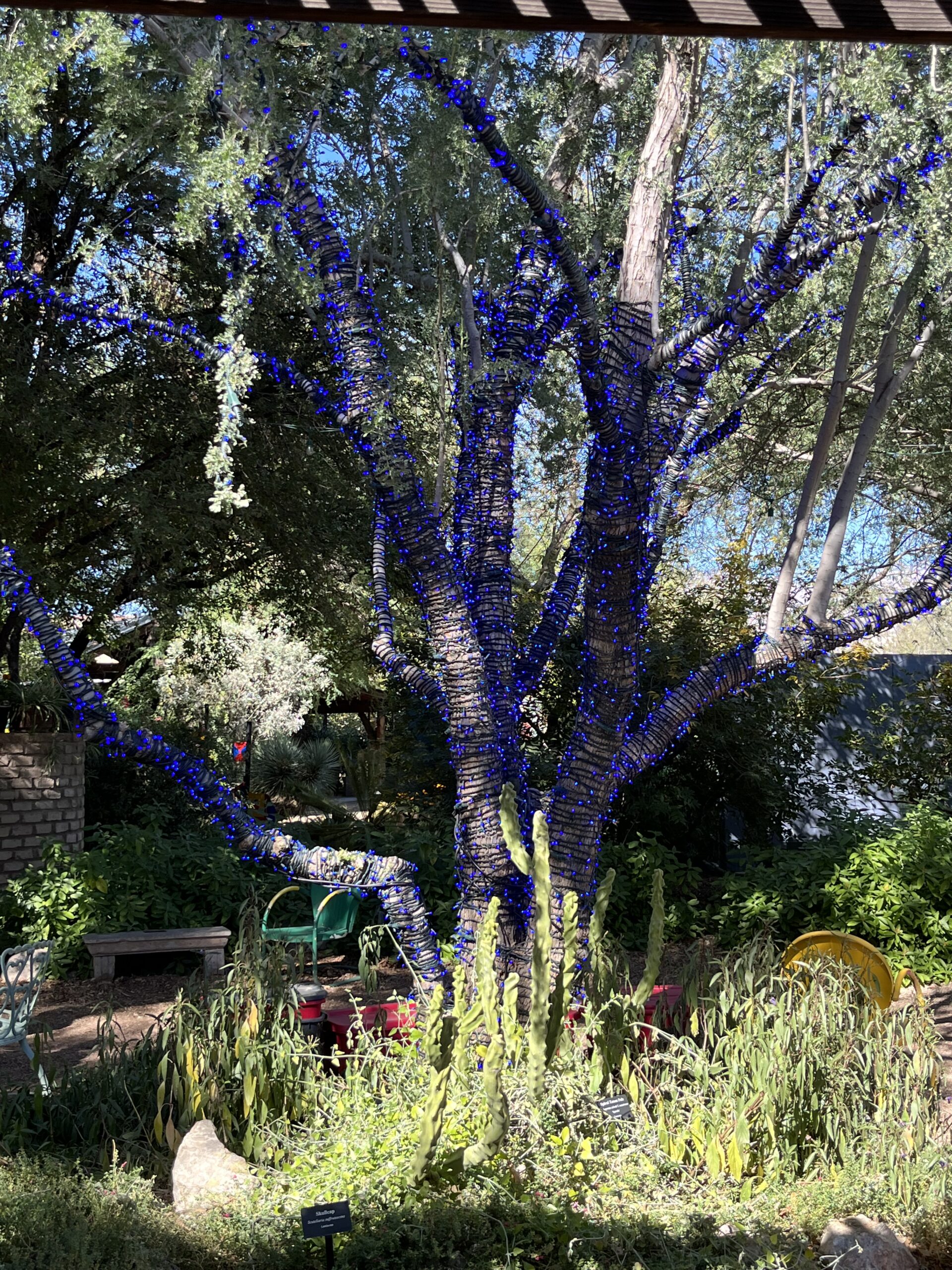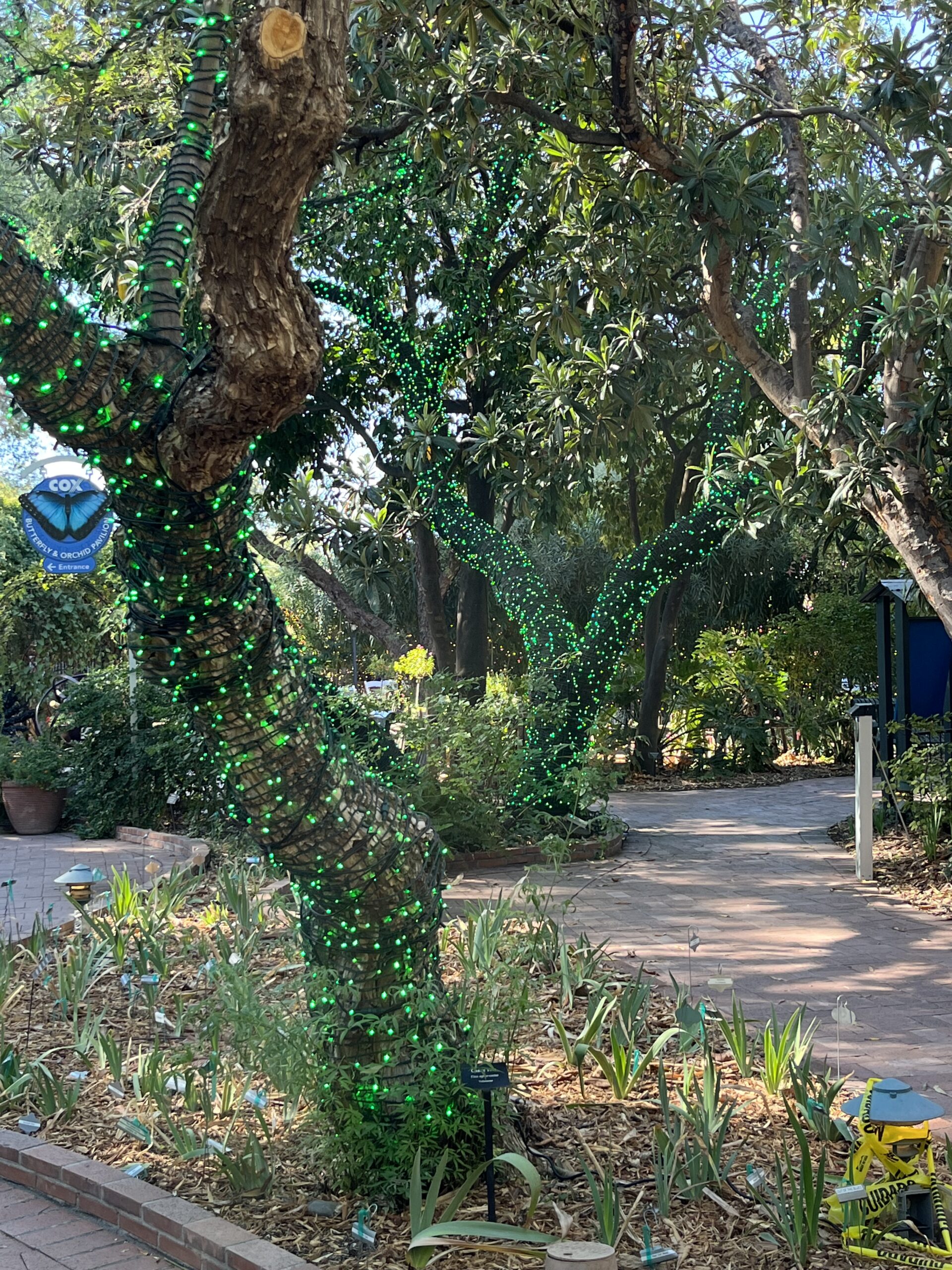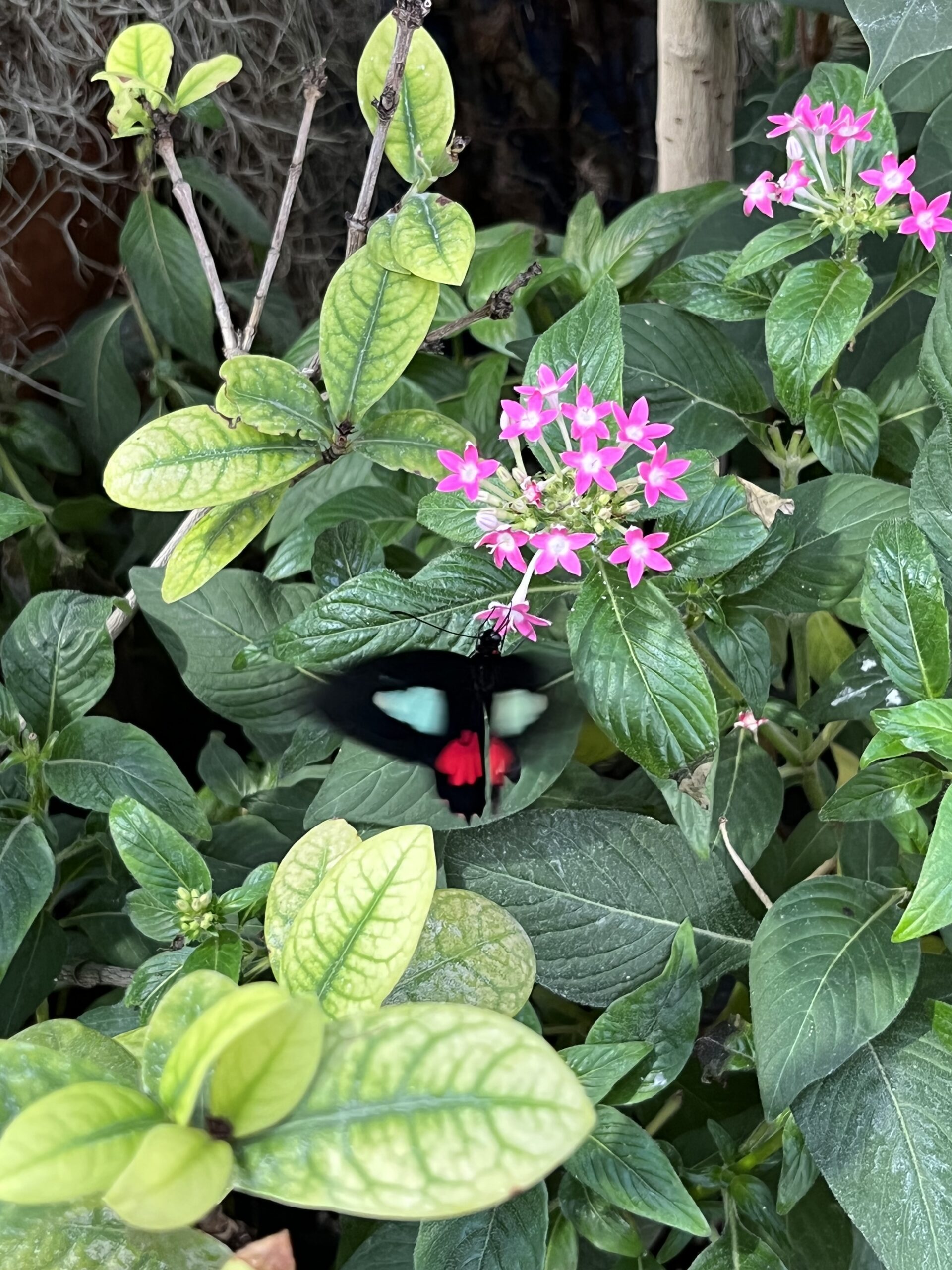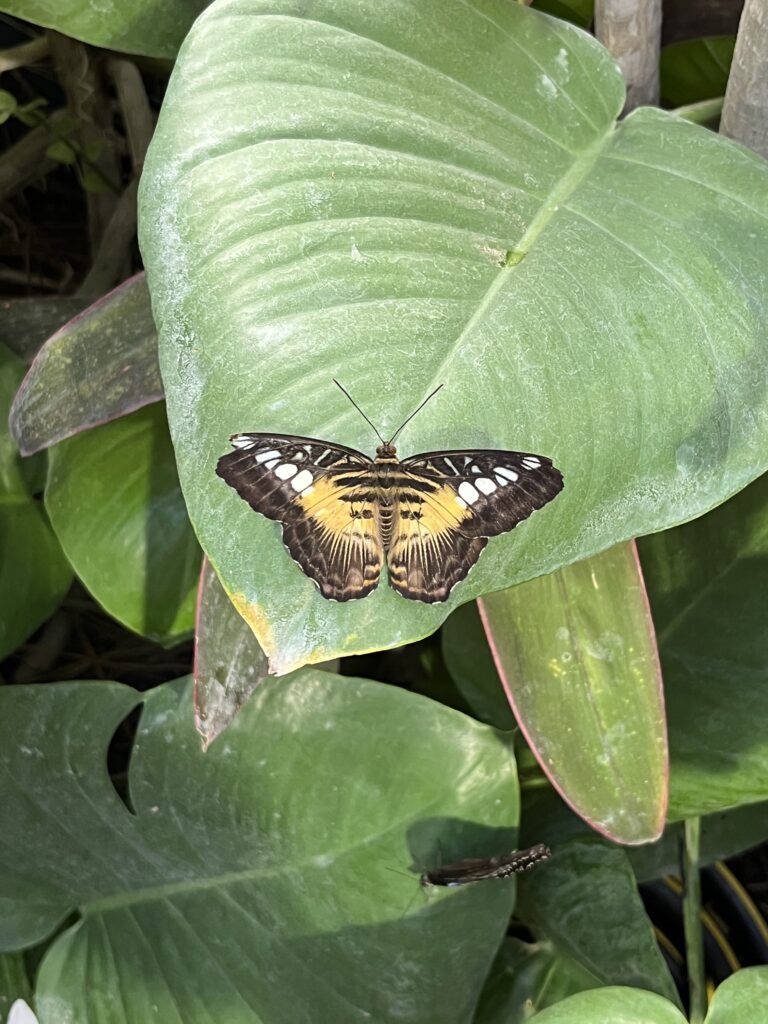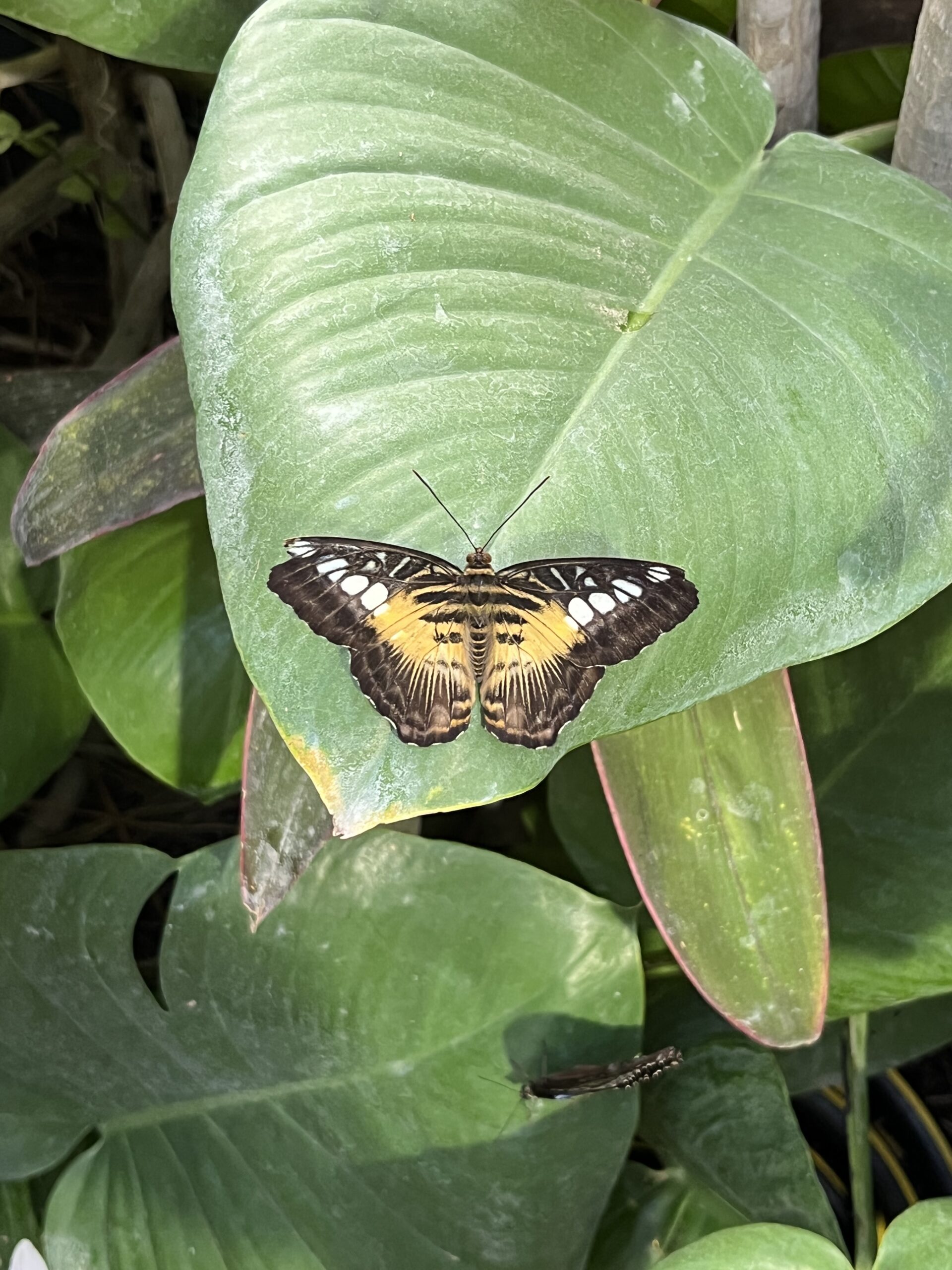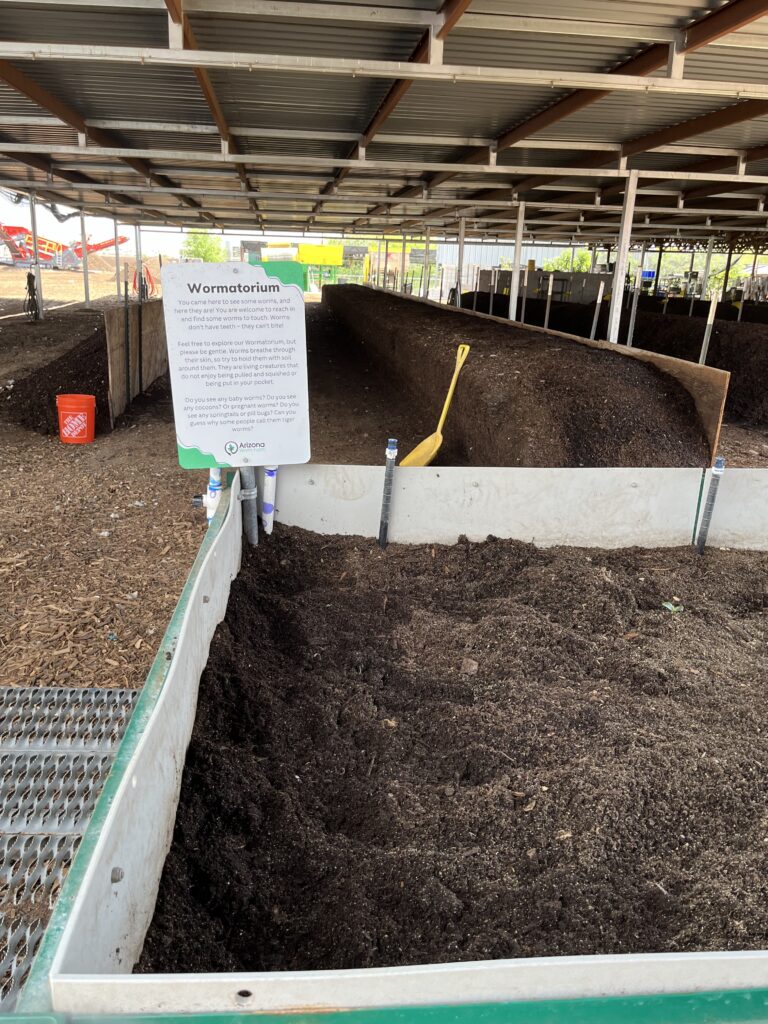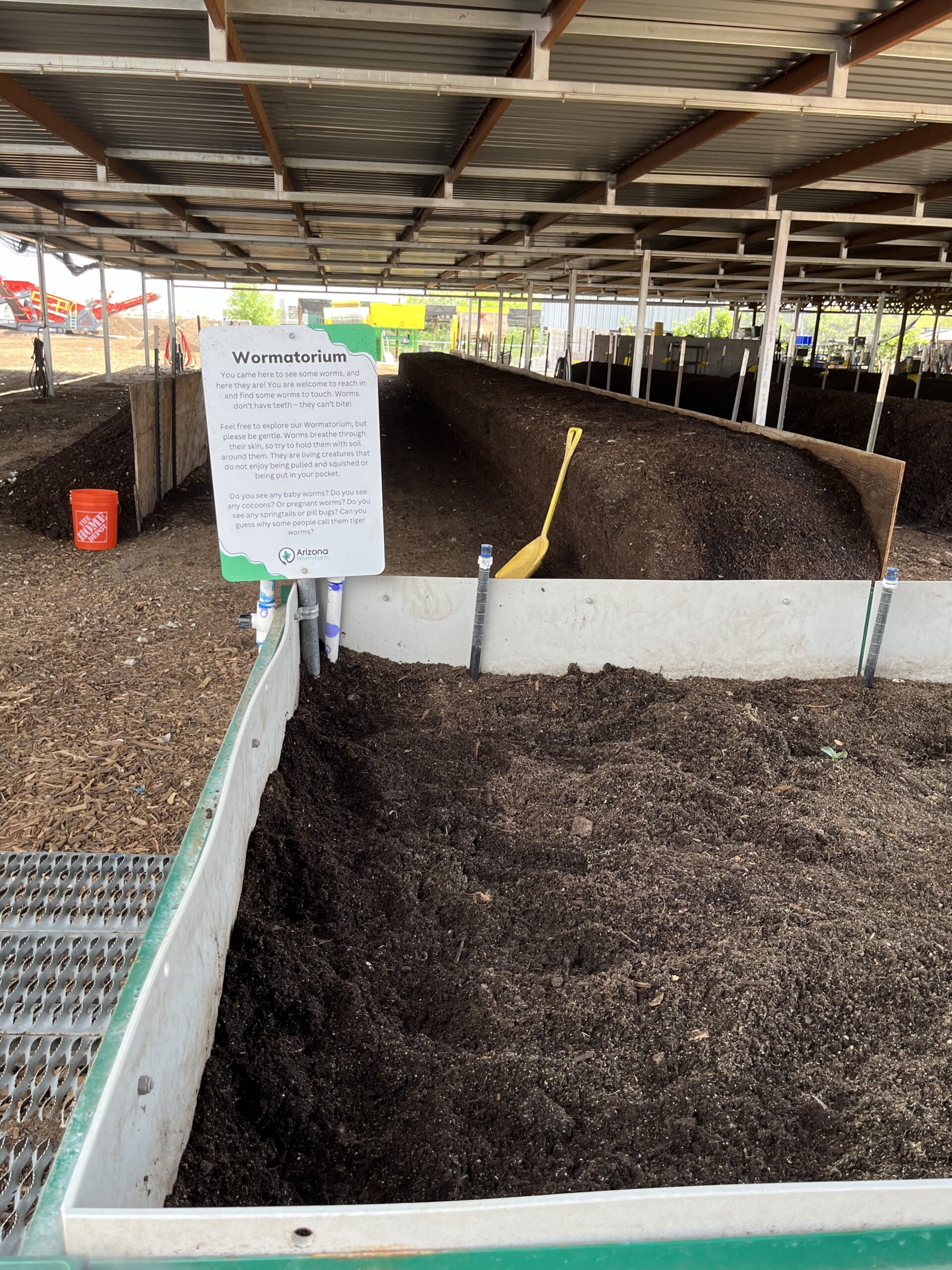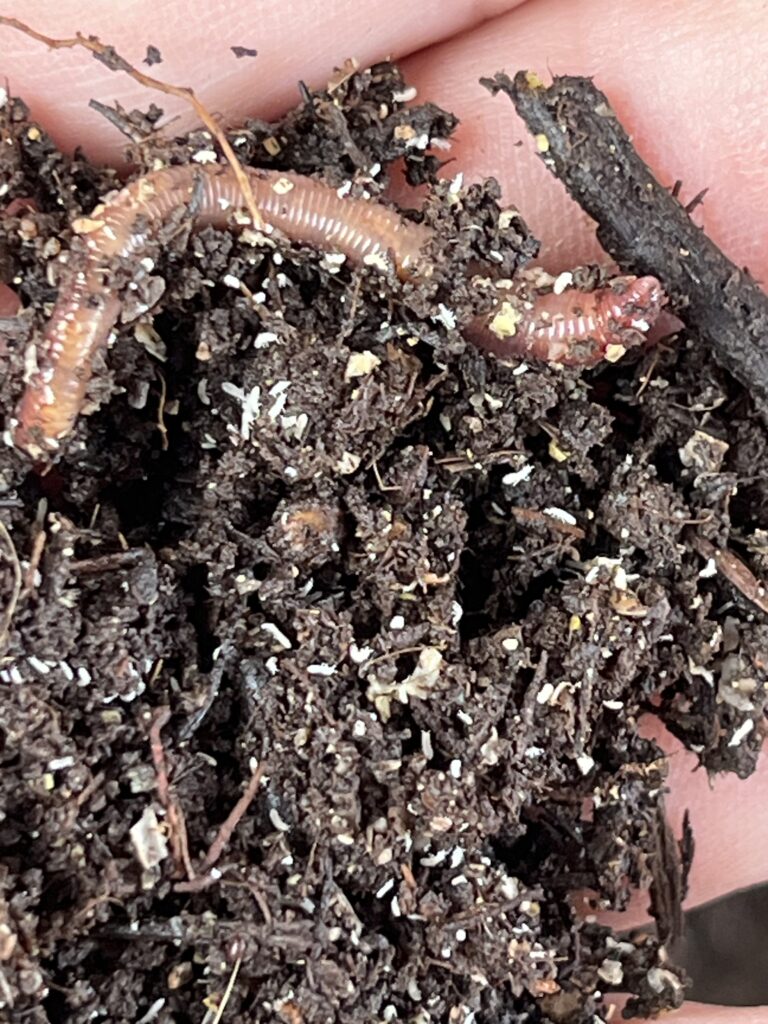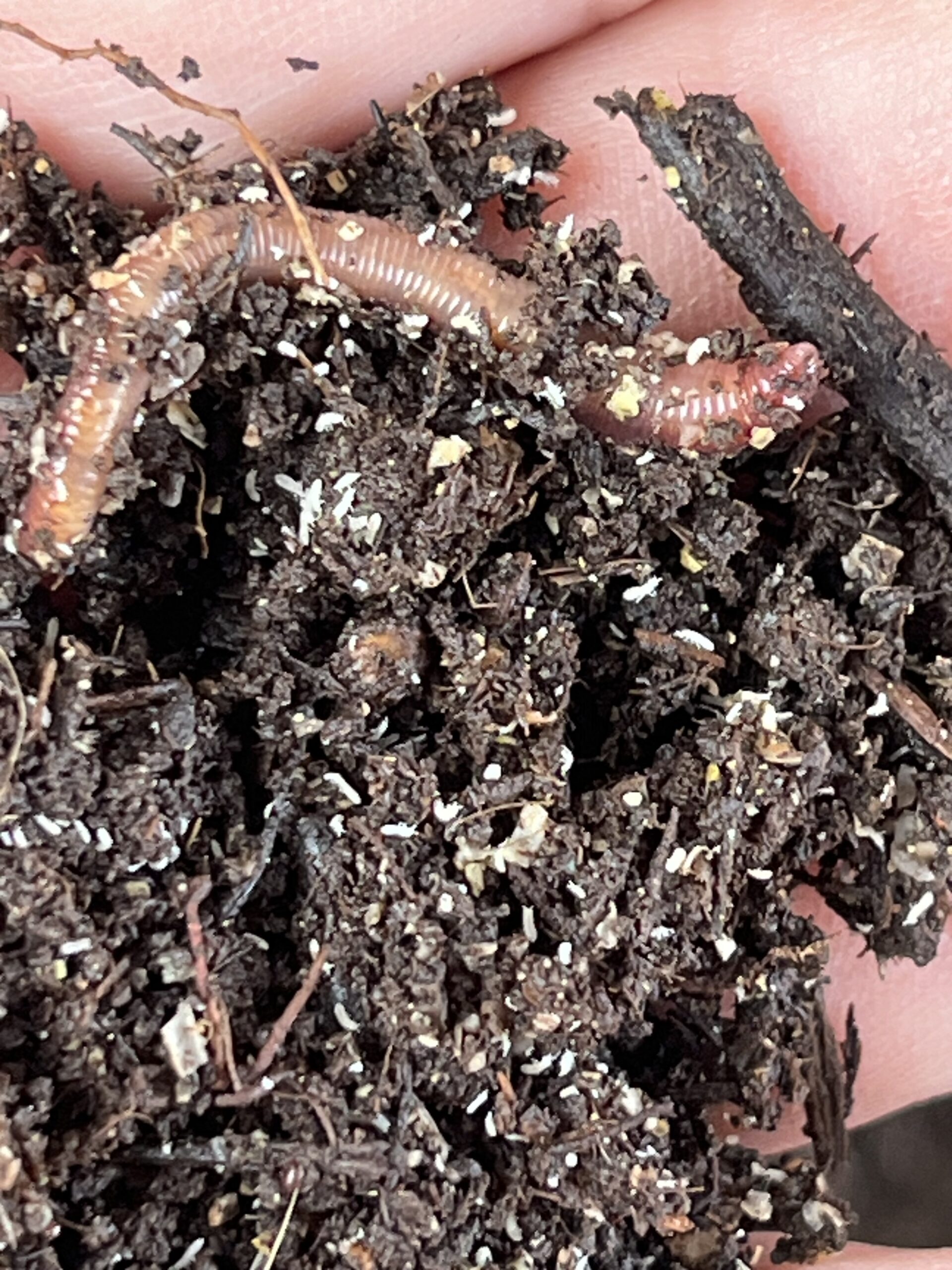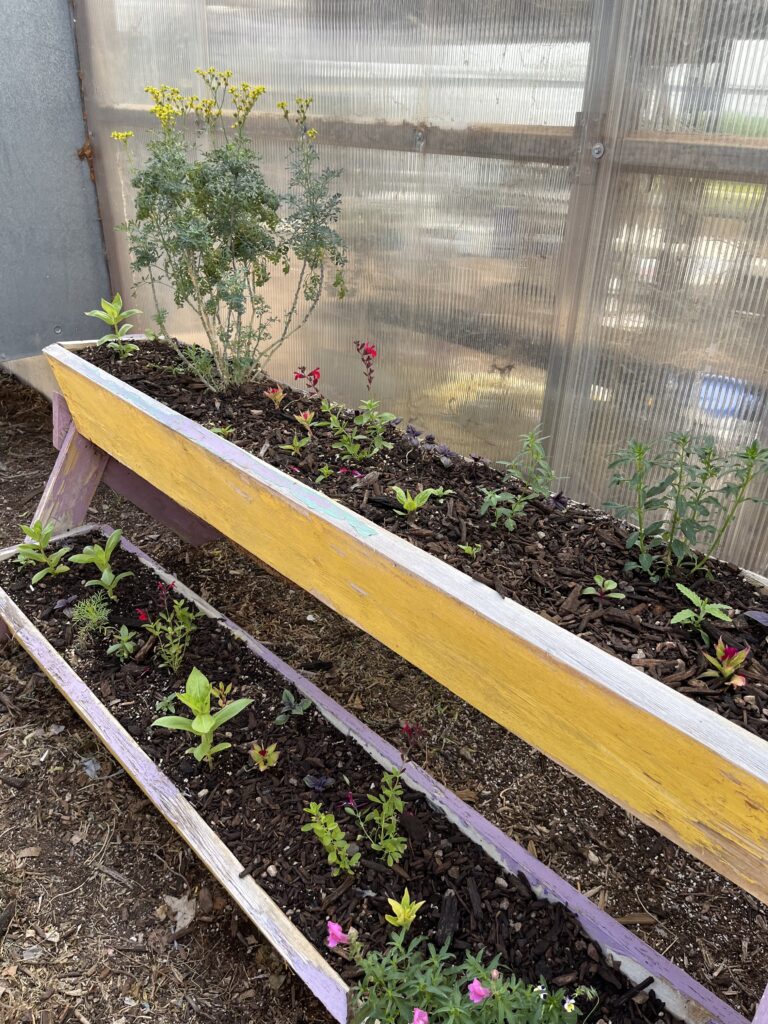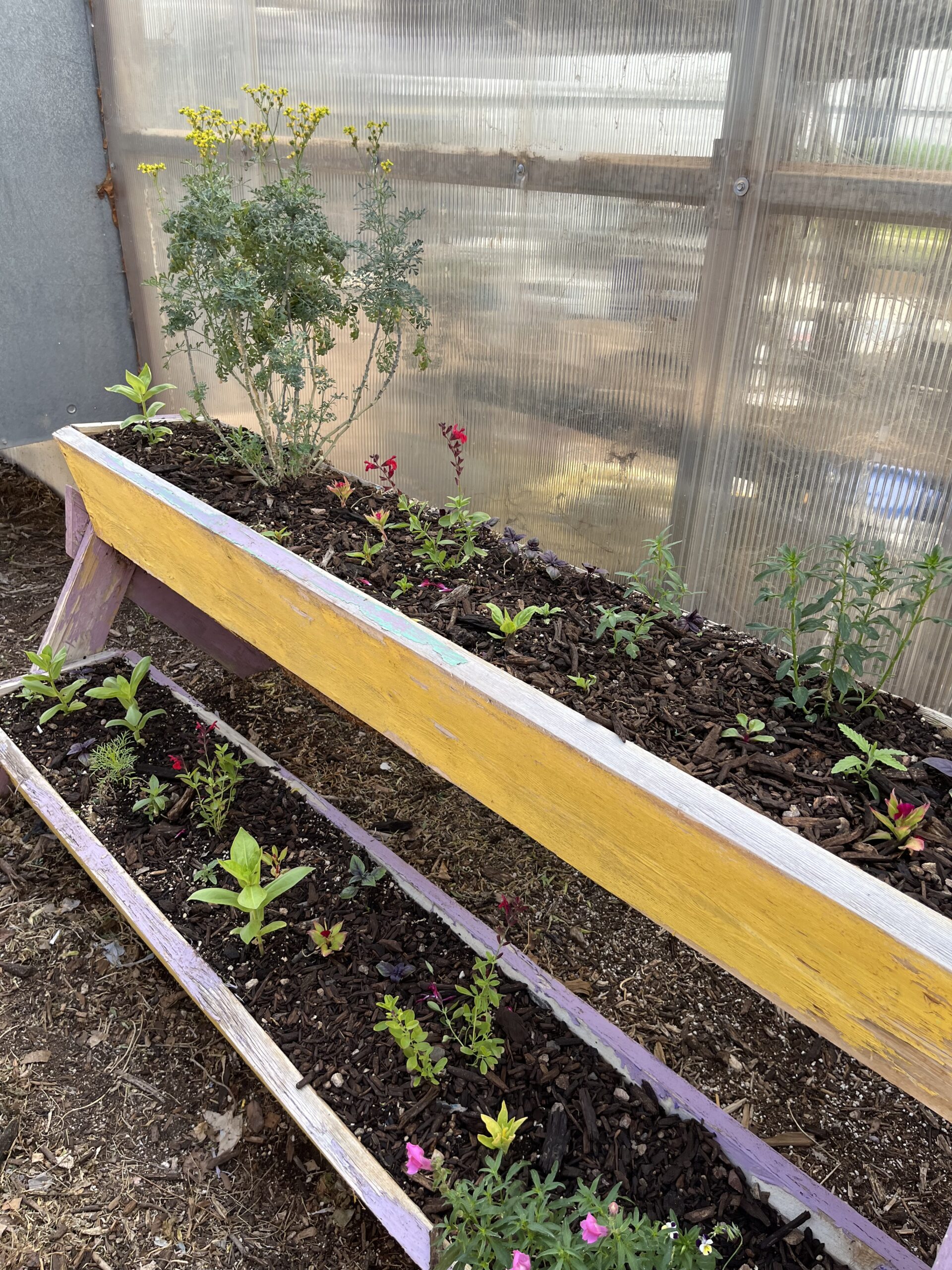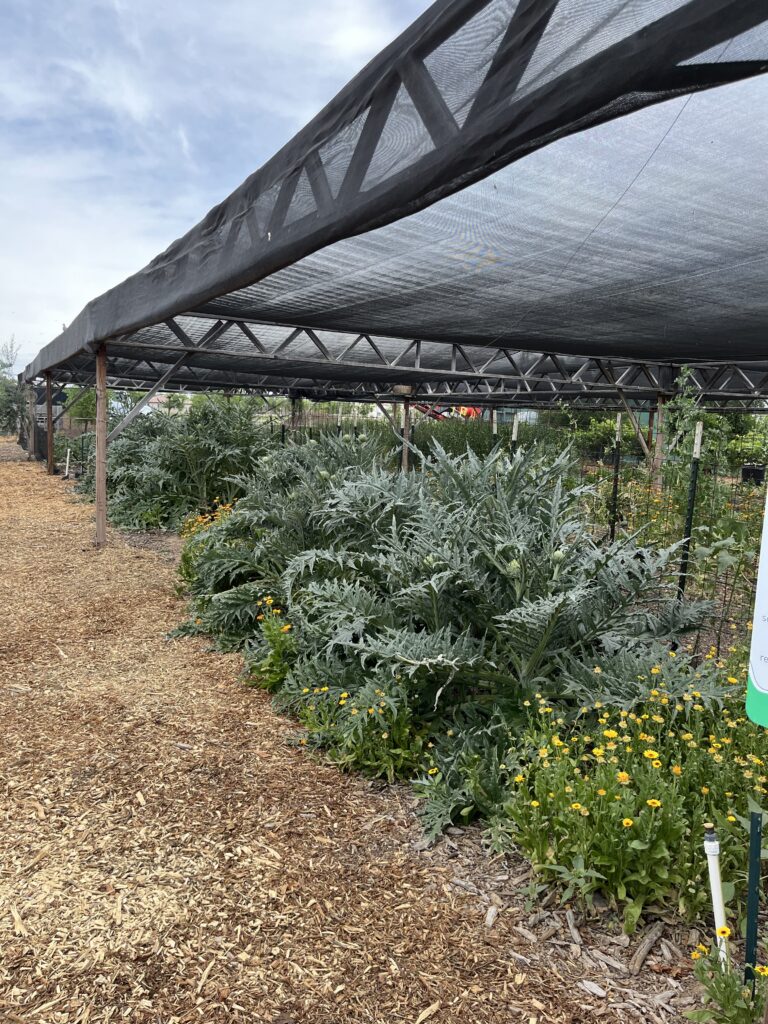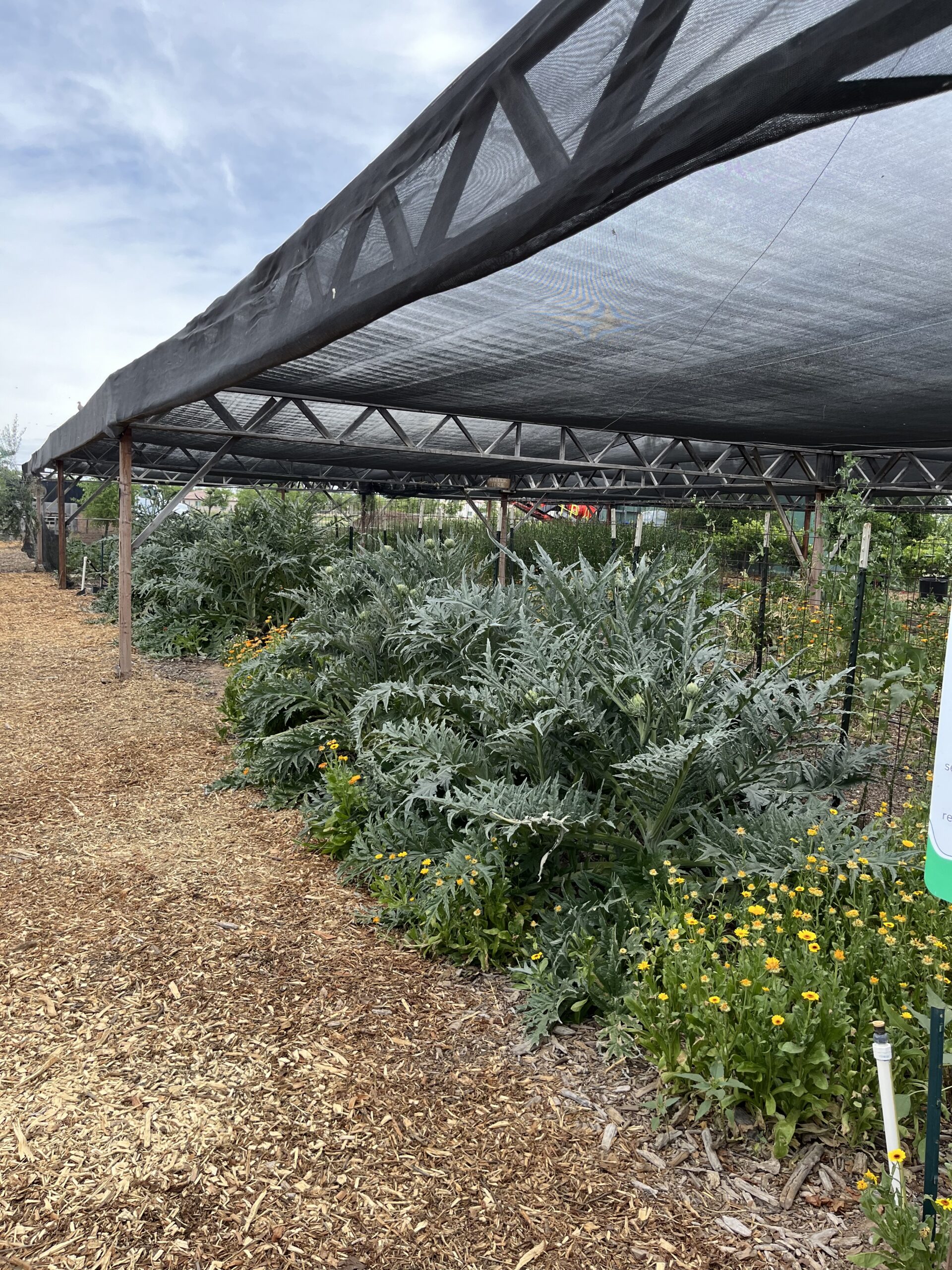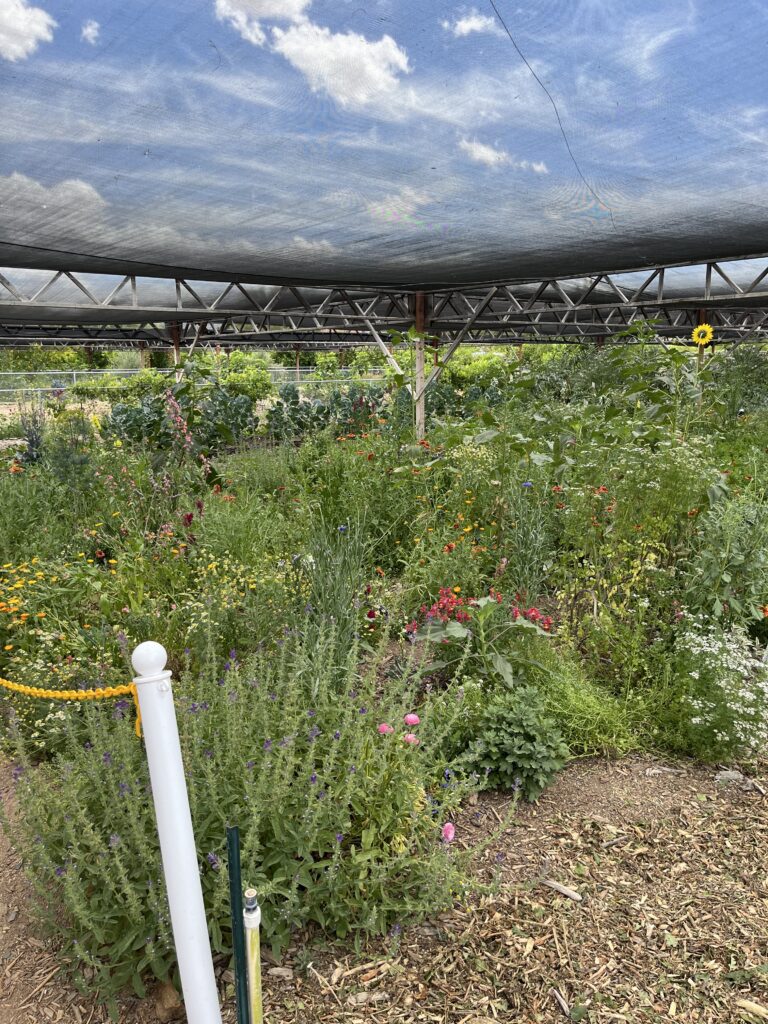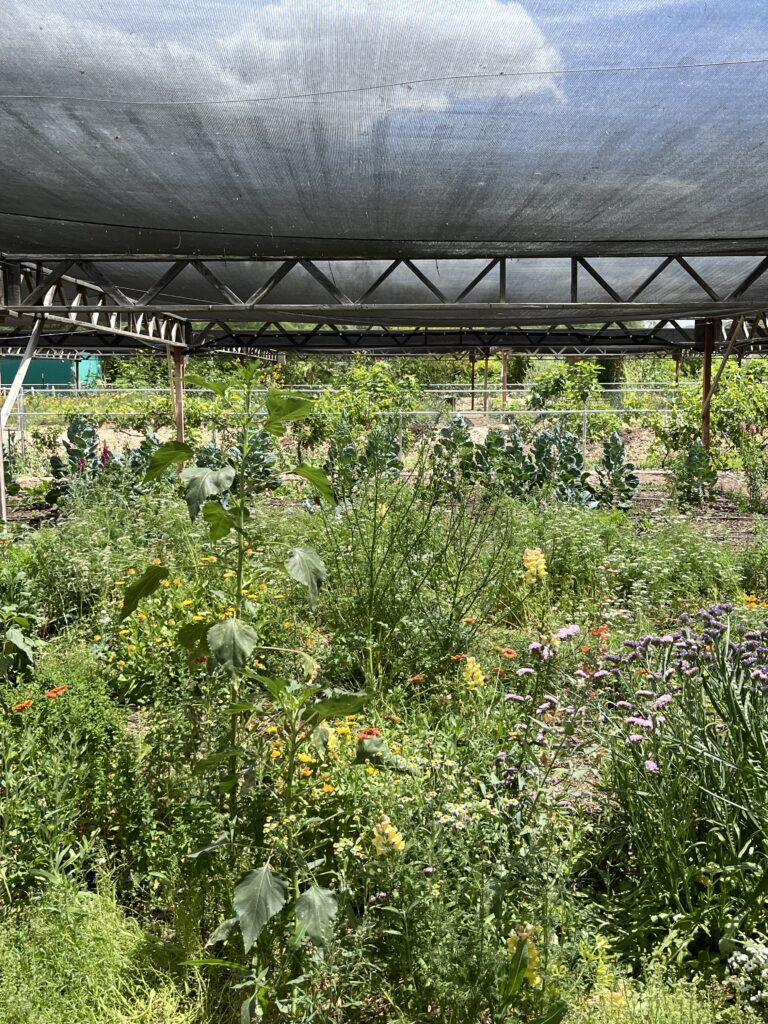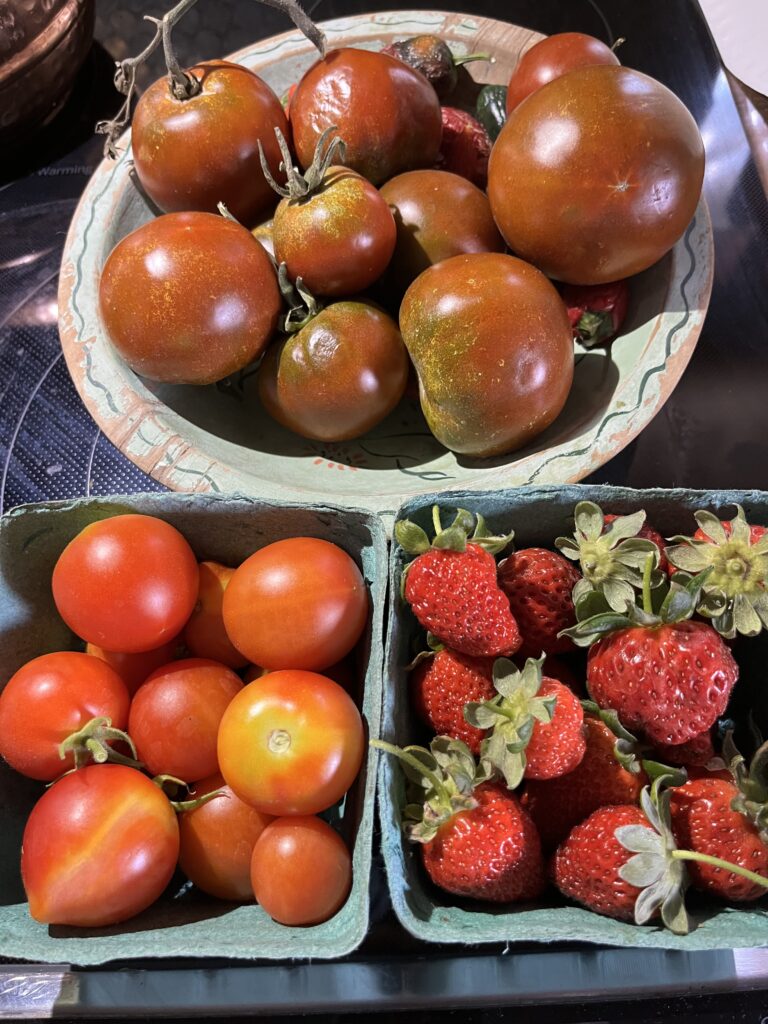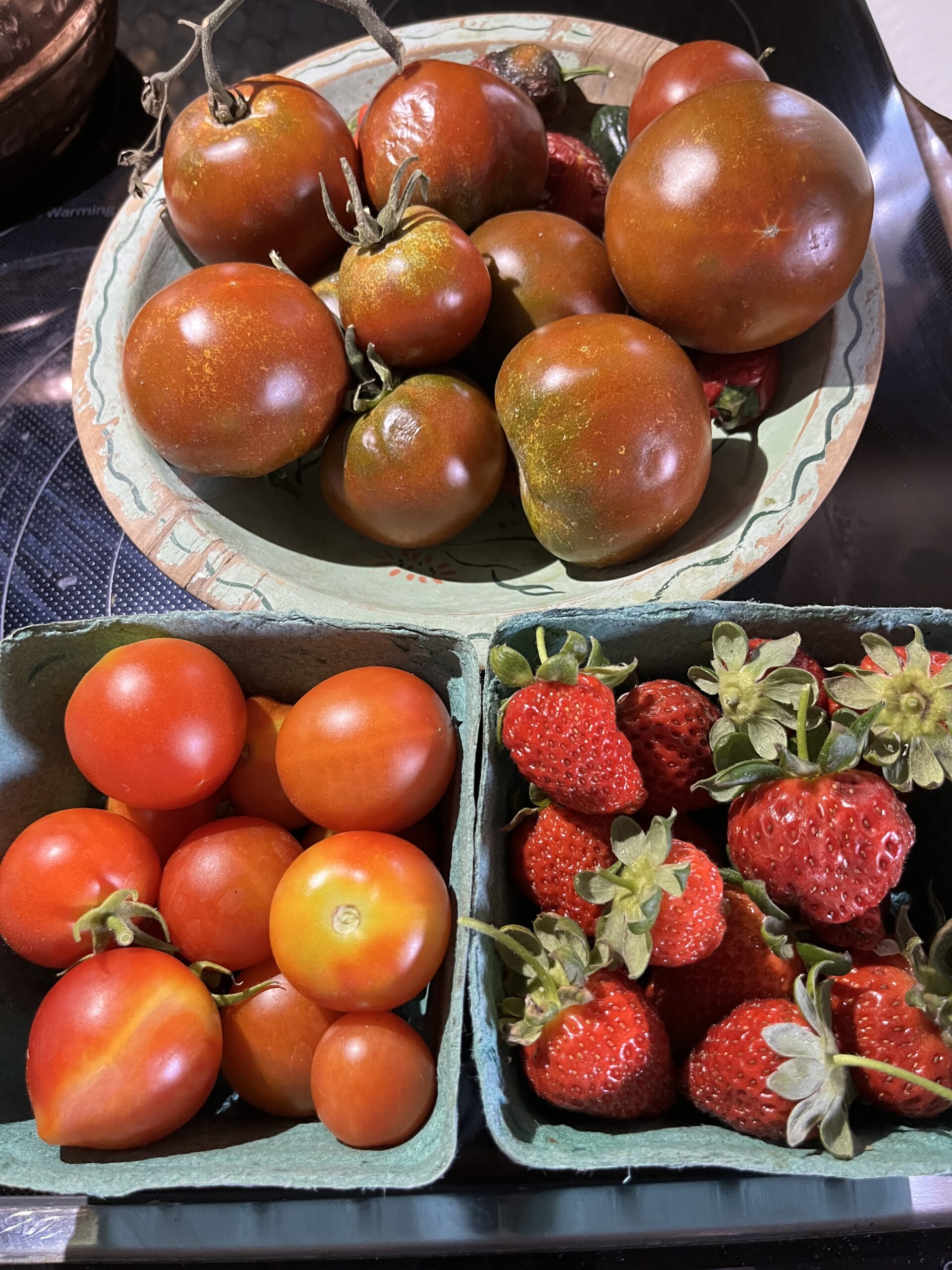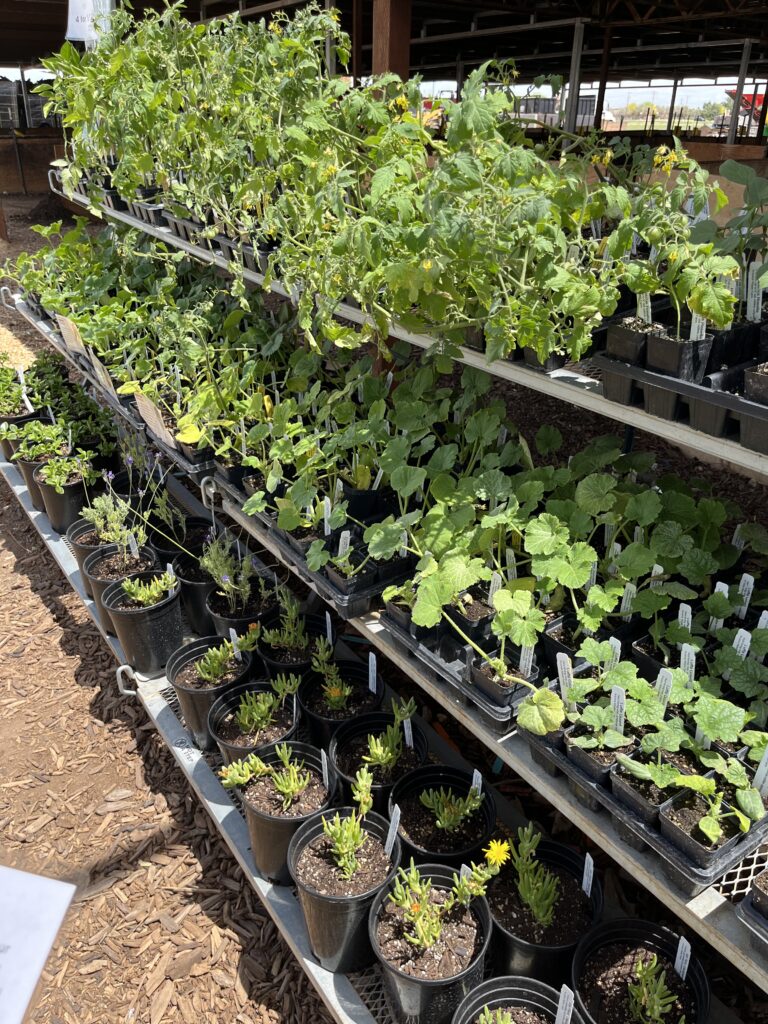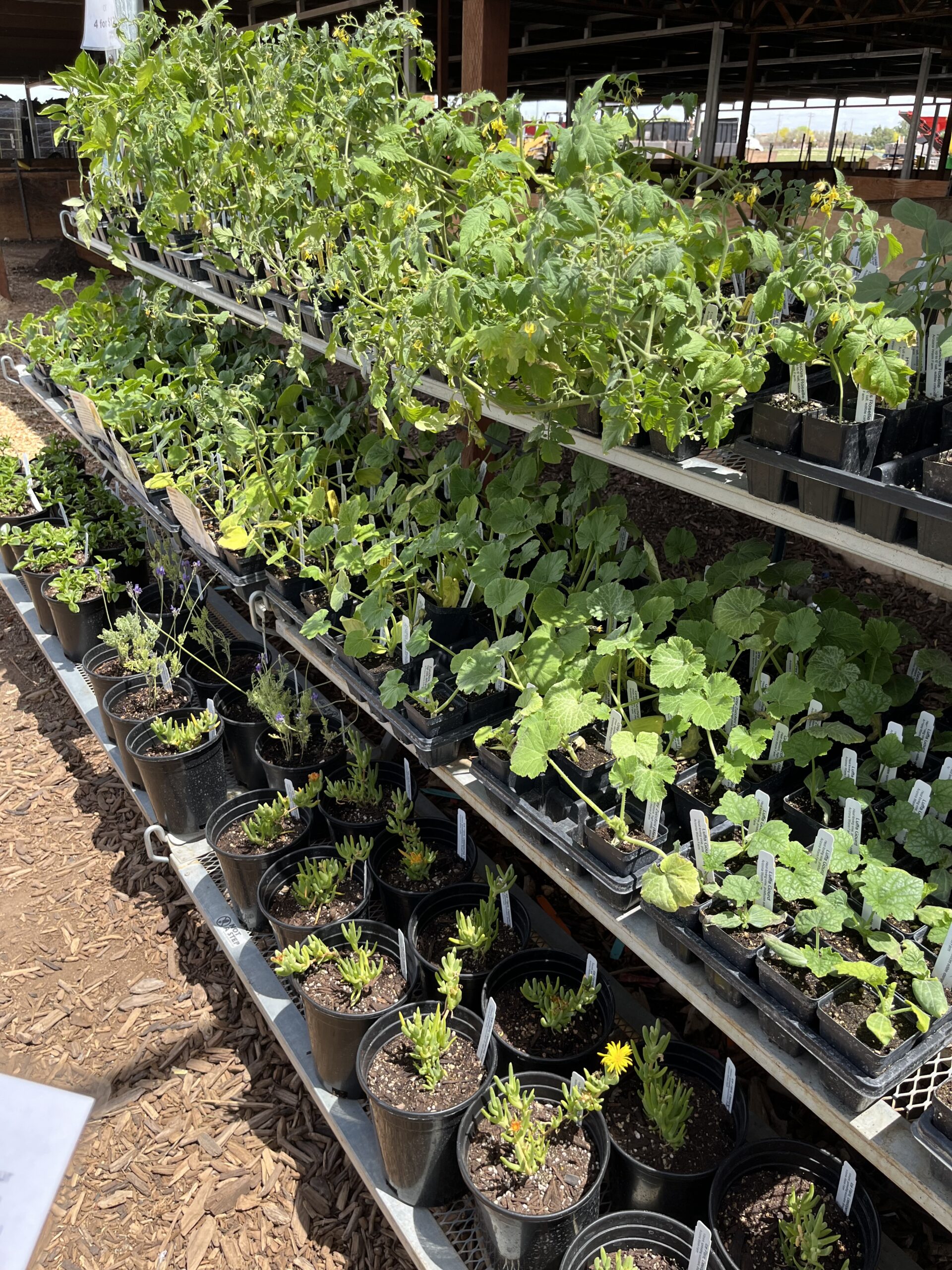
"A love of Nature, implanted so early that it will seem to them hereafter to have been born in them, will enrich their lives with pure interests, absorbing pursuits, health, and good humour."
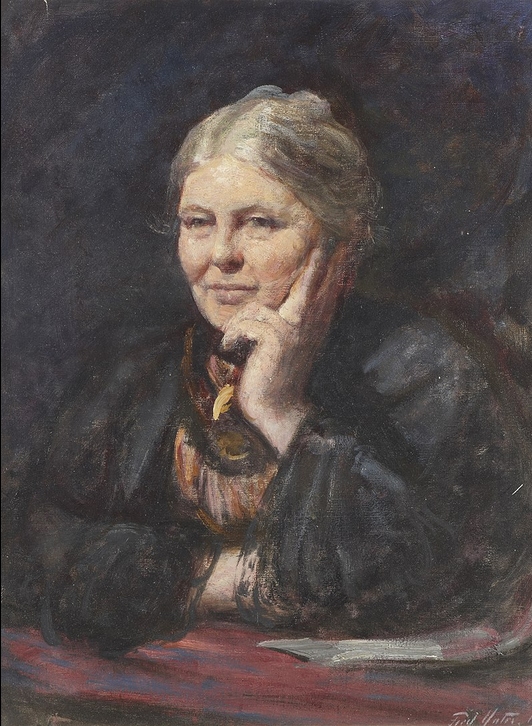
Charlotte Mason
Educator (1842–1923)
Nature Studies

The learner must be immersed in a curriculum consisting of living food made from living ideas that personify and magnify the Imago Dei within the person. The learner—in an autonomous way—must be able to take in, assimilate, digest, and be nourished with ideas that are personally powerful, inspiring, moral, and encouraging. And those ideas which propel the finite individual toward worship of the infinite Creator who has endowed the learner with life are of most importance because the Holy Spirit is the giver of all true knowledge, wisdom, discernment, and illumination.

Field Arts & Advanced Nature Studies

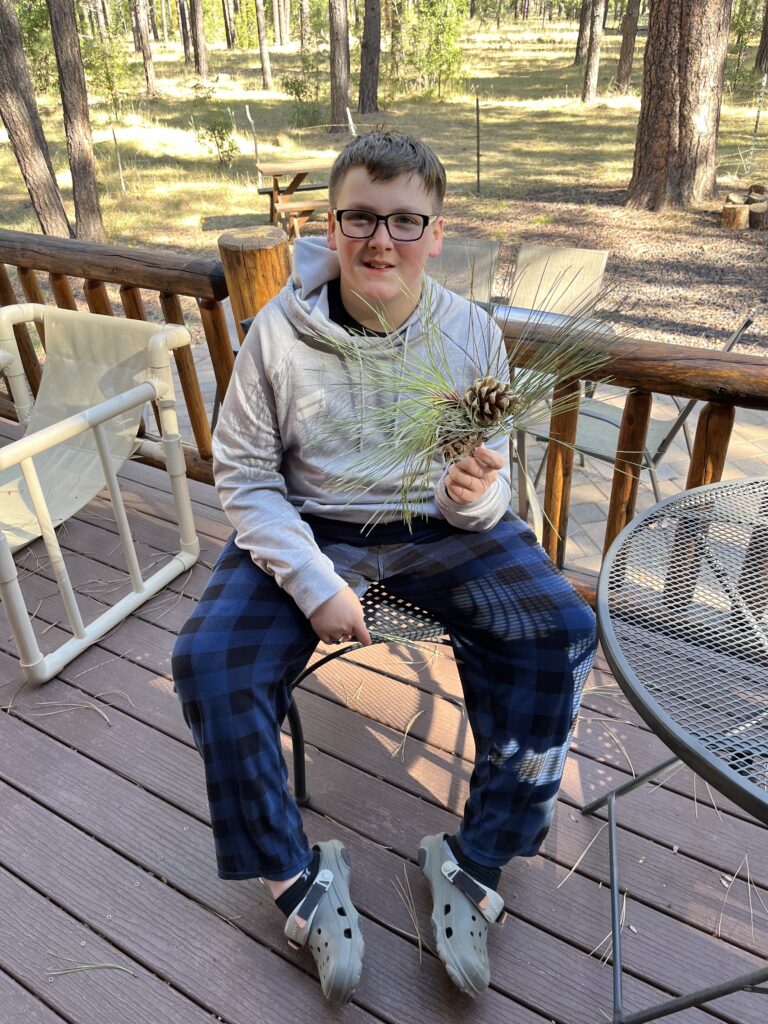
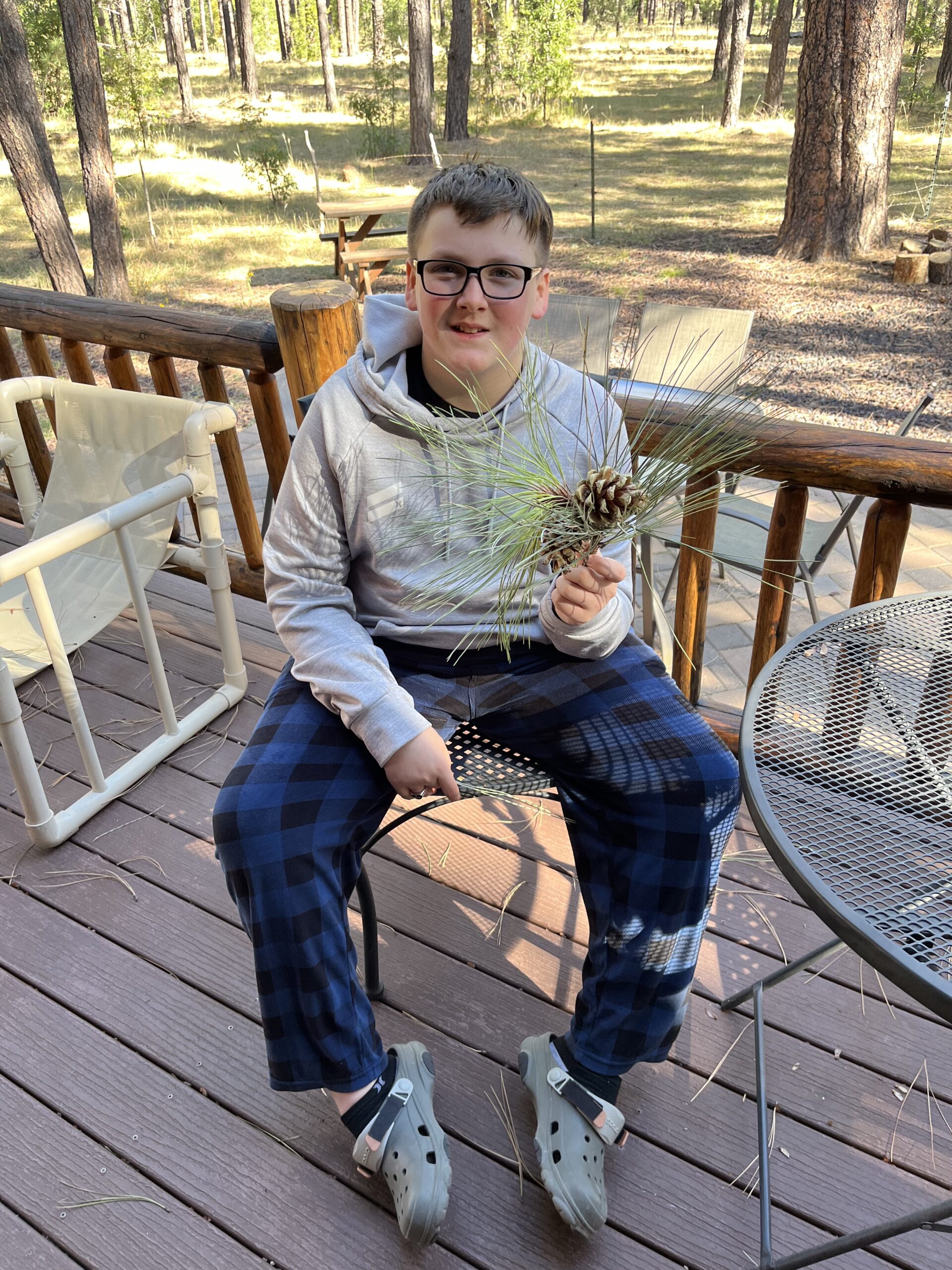
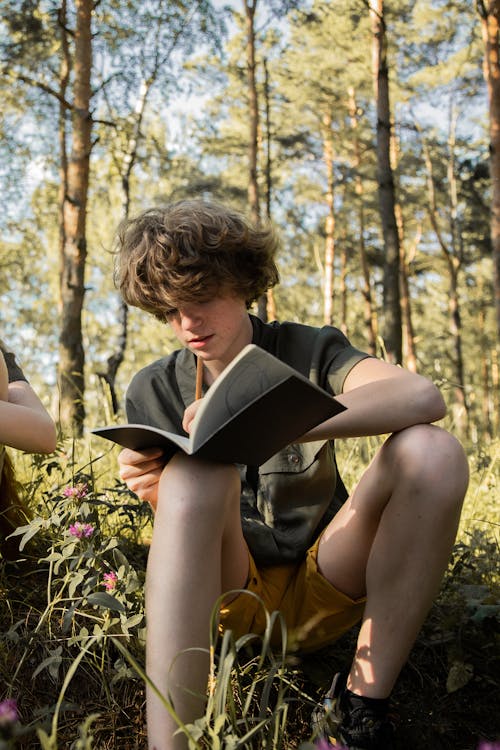
Mason believed that intimacy with nature makes for personal well-being (Vol. 1. pp. 54-72). Children should know the names of plants and where they grow. They should know the names of trees and the differences between them, their leaves, flowers and fruit (Vol. 1. pp. 51-52). They should learn from natural things in their own places, not from books and they should work outdoors, ‘but pray, let it not be a grind.’  A child can learn a great deal in this way without feeling under pressure. (Vol. 1. p. 55). Children should learn to classify plants, the similarities and differences between them (Vol. 1. p. 64) and in doing so their vocabulary increases. She regards classification as one of the highest qualities of the human intellect. Through such study, she said, a child learns concentration, discrimination and reverence for life. A child, she says, learns through the senses: taste, smell, touch and hearing. A Great sense of beauty comes from early experience of nature, an aesthetic sense of the sublime and the harmonious, without verbal instruction. . . . She says, ‘thinking comes with practice . . . a child must get in the way of thinking why he should think for himself . . . every walk should offer some knotty problems for the child to think about (Vol. 1. p. 153) and ‘Any teaching which does not leave a mental image—an idea—has missed its  mark. Ideas generate new ideas (Vol. 1. p. 173). Children should learn about commonly used tools. Geography outdoors nourishes the mind and furnishes the imagination, the mind with pictures, and becomes a charming occupation of the child’s day. Plans must be carefully used as children develop a sense of place (Vol. 1. p. 276).


Source: Charlotte Mason, History and Outdoor Education and Her Relevance Today (Hilary Cooper, 2023, Vol. 51. No. 2, University of Cumbria, Institute of Education, Carlisle, UK, p. 192)

2025–2026

Annual Camping Trip

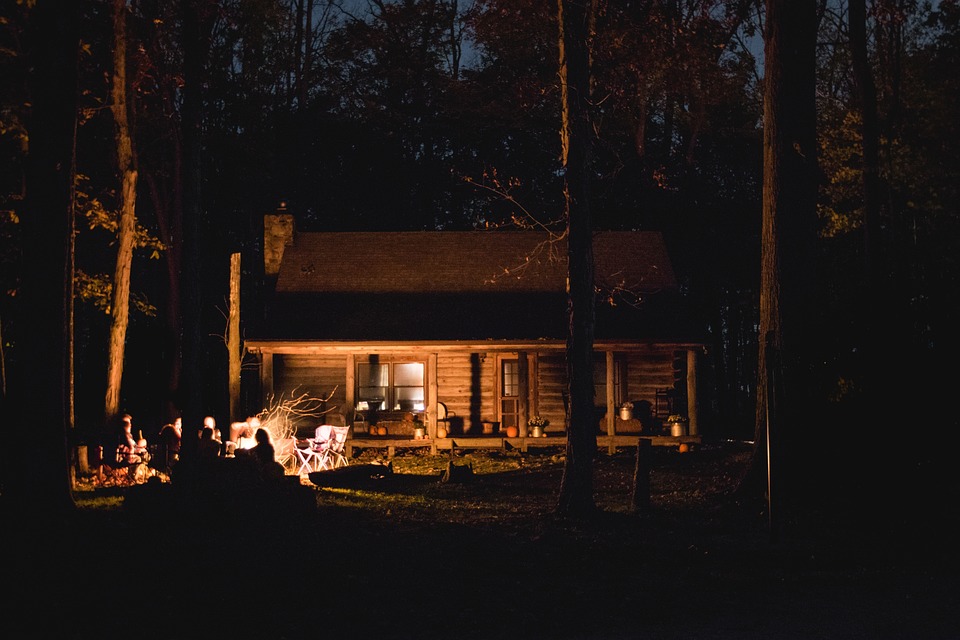
At the end of our academic year, we look forward to coming together as students and families to celebrate our hard work and dedication while enjoying some rest and relaxation in the great outdoors. During this half-week adventure, we leave the city behind to pitch tents or stay in a cabin setting up in our beautiful Arizona national forests. Some activities include day hikes, boating or canoeing, campsite games, nature studies, worship and fellowship, campfire S’mores and, of course, those wonderful fireside meals and chats.

Dates are soon to come!

When: TBD

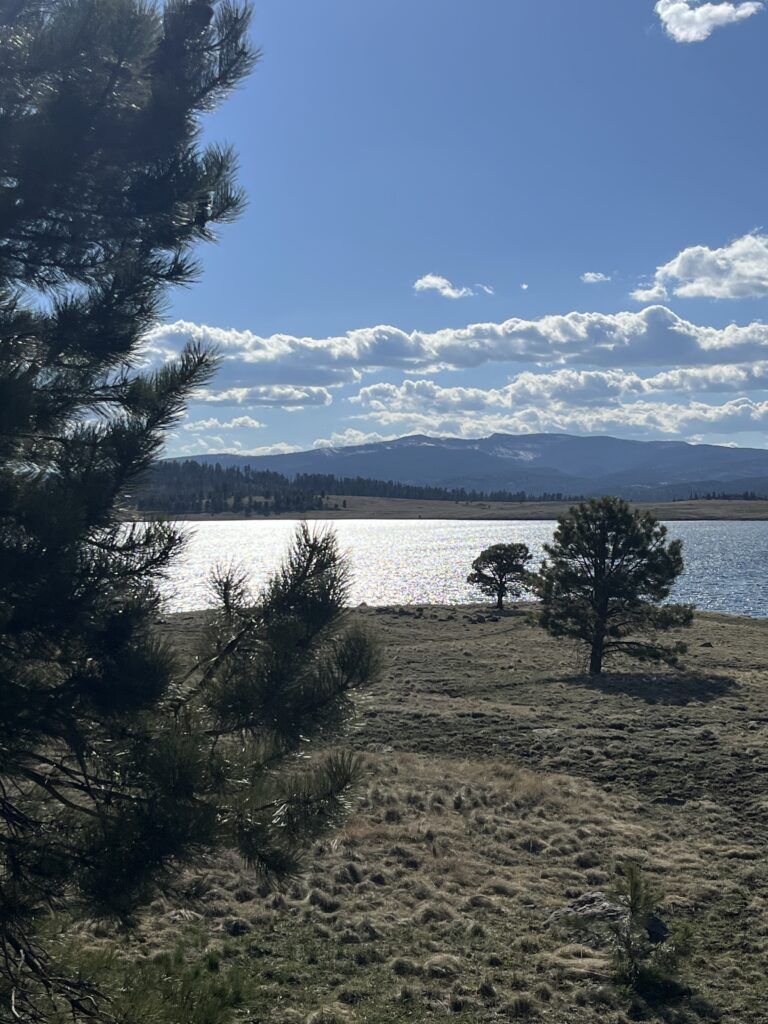
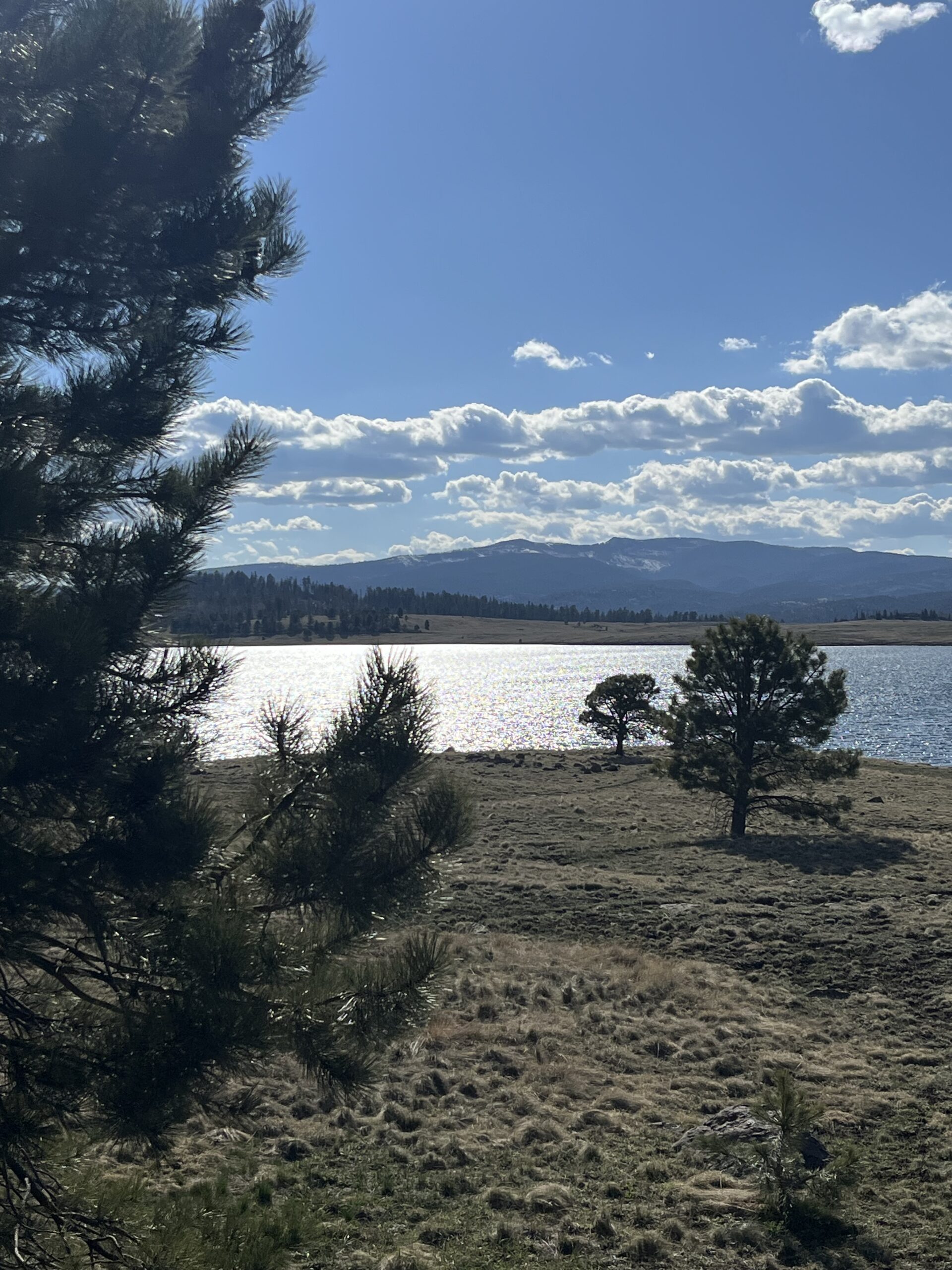
Where: Big Lake Recreation Area, Greer, AZ

This is a tent camping location. Here are some basic details about this amazing area from the Recreation Resource Management of America and here is the Forest Service’s site for Big Lake.

Field Trips & Nature Days

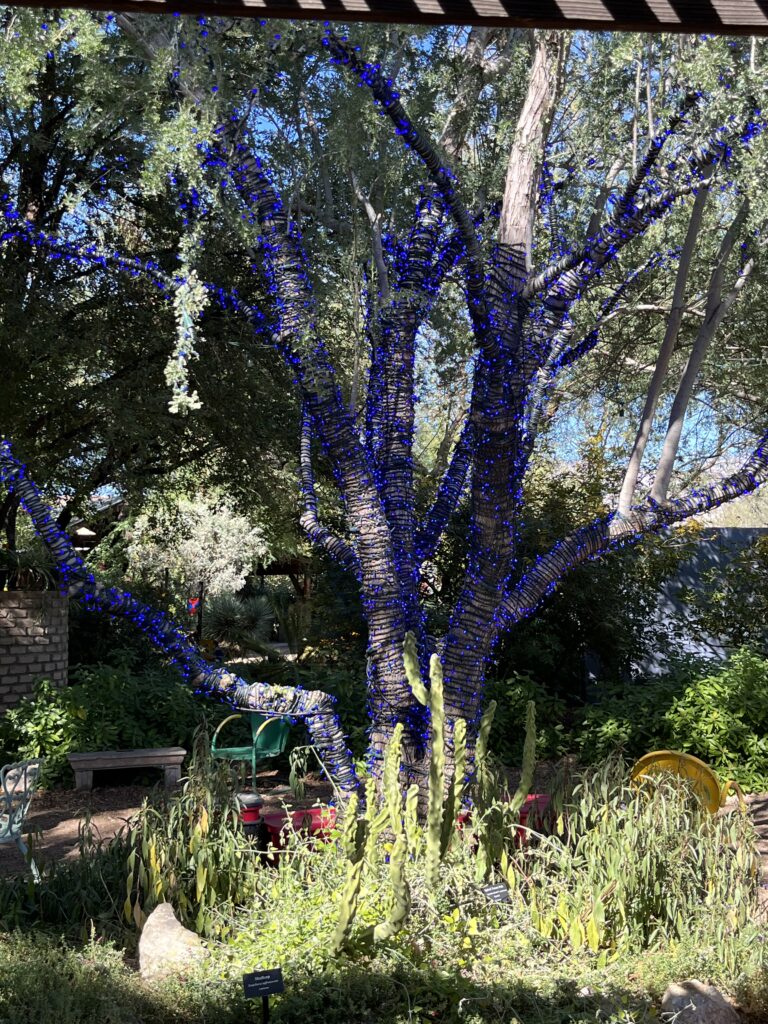
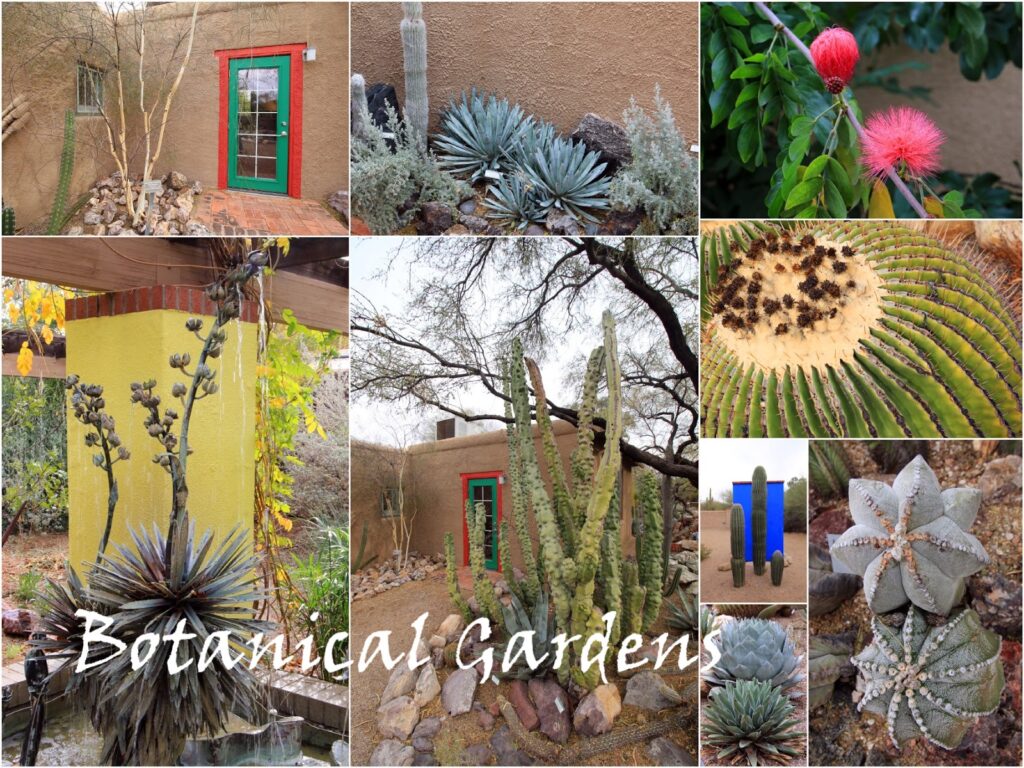
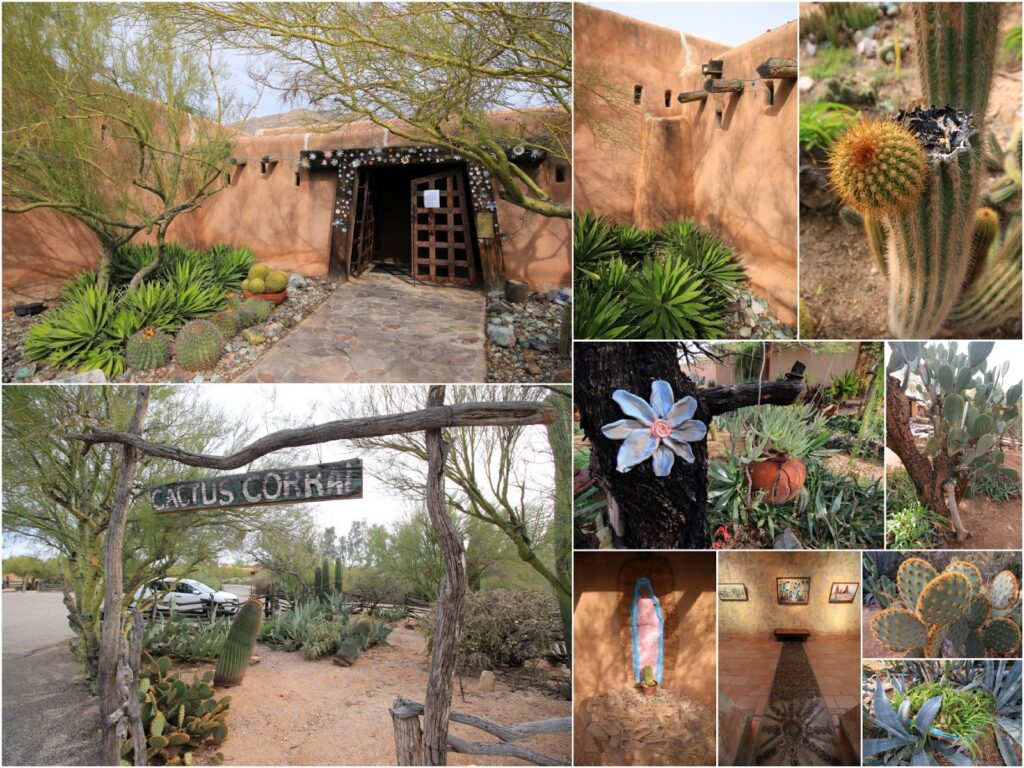
The Tucson Botanical Gardens offers a variety of community classes.
Fees for in-person and online events are ESA-approved for students.

Empowerment Scholarship Account (ESA) Funding

Hearthside Academy (formerly Solus Christus Classical Academy) is an approved vendor for the Arizona Department of Education’s Empowerment Scholarship Account (ESA). Empowerment Scholarships expand educational opportunities for eligible students outside of the public school system, provides funding that can be used for a wide variety of educational expenses, and pays for private school tuition, educational therapies, tutoring, and more. Families interested in this funding are encouraged to apply directly at the Arizona Department of Education ESA homepage.

Ready to Enroll?

STEP 1

Let us know you're interested in one of our programs.

Here's our email

We look forward to hearing from you!
Click Here

STEP 2

Fill out an initial application so we can get to know your family's needs.

Fill out the applicaton

This shouldn't take long; we've kept it short 'n sweet.
Click Here

STEP 3

Watch Charlotte Mason's philosophy of education video series.

Soak up knowledge

Short videos on Mason's philosophy of eduction.
Click Here

STEP 4

Read the Student Parent Handbook detailing our policies and procedures.

Read the Student Parent Handbook

Download from Proton Drive.
Click Here

STEP 5

Schedule a video conference or in-person meeting with the Director of Education.

Family Meeting

Last step! Let's discuss take-aways and educational outlook.
Click Here